The Architecture of Ease: Curating Your Journey in an Analog World
True travel freedom isn't about being unmoored; it is about finding the right digital compass to navigate the complexities of the modern world with grace.
The Gentle Art of Digital Cartography
There is a peculiar tension inherent in modern travel. We yearn for the serendipitous discovery—the scent of fresh espresso hitting the cobblestones in Rome’s Trastevere district or the golden light shifting across the salt pans of Salar de Uyuni—yet we are burdened by the logistics of logistics. To travel well is to cultivate a state of readiness that allows the unexpected to happen without it becoming a catastrophe. It requires a quiet, digital architecture.
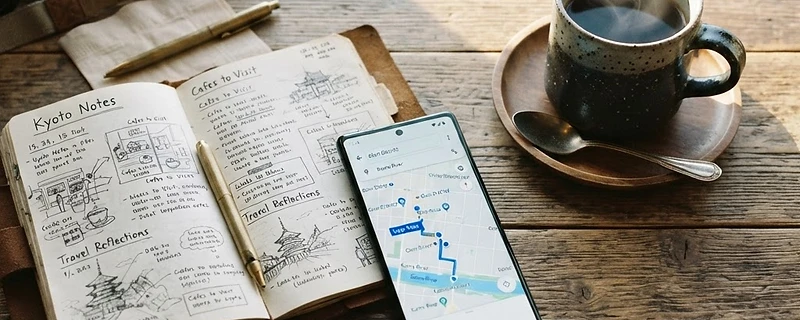
My planning process begins not with a frantic search, but with a collection. I have found that Notion has become the digital Moleskine of my era. By building a dedicated workspace for each trip, I tether disparate elements—train schedules for the Trenitalia regional lines, reservations for a tiny, unmarked izakaya in Tokyo’s Shinjuku ward, and scanned copies of travel insurance—into a single, silent repository. It removes the static from the mind, allowing me to focus on the textures of the destination rather than the anxiety of arrival.
Tools for the Mindful Voyager
When you are navigating unfamiliar topography, the right tool acts as a filter, removing the noise of global tourism and highlighting the rhythm of local life. For those seeking a deeper connection to place, I lean heavily on specific, focused applications that prioritize experience over optimization.
- TripIt: By simply forwarding your confirmation emails, this app constructs a master itinerary that lives offline, shielding you from the inevitable 'where is the booking' panic when standing in a bustling terminal.
- Mapstr: Instead of relying on crowded, algorithmically-driven reviews, this tool allows you to map your own personal geography of desire. I store locations of quiet libraries in Paris or specific, late-night falafel stands in Tel Aviv, creating a private atlas that grows with every departure.
- Windy: For the coastal traveler, this isn’t just a weather app; it is a way to understand the breath of the ocean. Knowing the swell direction or wind speed allows you to decide whether to hike the cliffs of Big Sur or retreat to a bookstore in Carmel.
- Flush: When you are deep within the winding alleys of Marrakech, finding a clean, accessible facility is a small act of self-care. This simple, data-backed utility maps public toilets, proving that dignity is often found in the most practical details.
Designing Your Own Serendipity
There is a profound difference between planning and over-planning. If every minute is accounted for, you become a prisoner of your own calendar. The goal of these tools is to create 'pockets of space.' By automating the mundane—the flight check-ins, the currency conversions via XE, the language barriers mitigated by DeepL—you buy yourself the luxury of time.
When I land in Lisbon, I do not look at my phone to see what I 'should' do. I look at my Mapstr pins, select one corner of the city, and then tuck the device away. The digital foundation is set; the architecture of the trip is solid. Now, the human element takes over. I let the smell of grilled sardines dictate my lunch and the sound of a distant Fado guitar lead me toward an open door. The best travel planning is invisible, a thin, supportive wire that lets you walk the tightrope of the unknown with your head held high and your heart entirely open.
This article may contain affiliate links. Trippanna earns a commission on bookings made through partner links, at no extra cost to you. All bookings are the responsibility of the third-party provider.