The Art of the Long Haul: Finding Stillness at Thirty Thousand Feet
The journey between continents doesn't have to be a gauntlet; it can be a rare, quiet sanctuary of suspended time if you know how to curate the experience.
The Architecture of the Cabin Experience
The hum of a Boeing 787 engine is a strange sort of lullaby, a constant, low-frequency white noise that defines the long-haul experience. For many, the prospect of twelve hours in economy feels like a compromise, but when viewed through the lens of a traveler, it is a rare gift of forced stillness. You are suspended above the cloud layers, unreachable, untethered from the demands of emails and the friction of the terrestrial world.
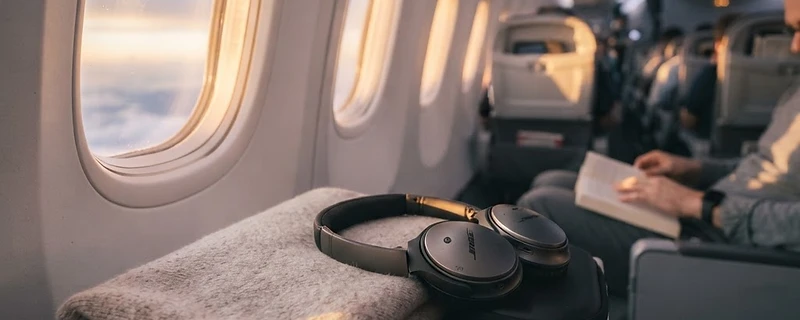
Preparation begins not at the gate, but at home. I treat my carry-on as a kit for a mobile sanctuary. It is not about luxury; it is about eliminating the small, nagging irritants that fray the nerves over time. I pack a silk sleep mask, a pair of noise-canceling headphones that actually do the job, and a dedicated sweater made of high-quality merino wool—light enough to breathe, dense enough to insulate against the aggressive, dry air-conditioning that defines the cabin climate over the Pacific.
Rituals for Rest and Renewal
There is a rhythm to a long-haul flight that, once mastered, makes the journey feel shorter. When flying from London Heathrow to Singapore Changi, I synchronize my watch to the destination time the moment I board. If it is daylight in the Lion City, I force myself to remain awake, consuming the provided meals or engaging with a dense novel, regardless of how tired my body feels. It is a mental trick, a way of grounding oneself before arrival.
Hydration remains the most underrated tool in the economy traveler's kit. The humidity levels in an aircraft can dip below twenty percent, turning your skin and throat into parched landscapes. I carry an empty stainless steel water bottle and ask the flight crew to fill it during the first meal service; having a liter of water within reach ensures I never have to wait for a call button or a passing trolley.
To manage the fatigue of a flight that spans time zones, try these simple adjustments:
- Prioritize foot support: Use a small, inflatable footrest or a rolled-up hoodie to elevate your feet, which aids circulation and reduces the swelling that often accompanies long periods of stagnation.
- Strategic light exposure: Wear dark sunglasses when you need to sleep, even if the cabin lights are dimmed, to signal to your brain that it is time for rest.
- The digital cleanse: Download a singular, long-form documentary or a collection of ambient music rather than scrolling through endless short-form entertainment; it prevents the dopamine-loop exhaustion that plagues so many travelers.
Arriving with Intention
When the descent begins and the cabin lights shift to that soft, artificial sunrise, the goal is to feel like you have arrived rather than been deposited. I have spent years perfecting a routine for the final hour. I swap the flight socks for fresh wool ones, wash my face with a hydrating toner, and apply a light moisturizer. It is a minor ritual, but it signals to my nervous system that the transition from transit to destination is complete.
We often romanticize the arrival—the smell of the rain in Tokyo’s Shinjuku district or the sharp, salty air of a coastal town in Portugal—but the flight itself is a chapter of the story, not just a barrier to it. By treating the economy cabin as a space of intentional rest rather than an obstacle to be overcome, you arrive with a sense of clarity, ready to inhabit the new world you have worked so hard to reach.
This article may contain affiliate links. Trippanna earns a commission on bookings made through partner links, at no extra cost to you. All bookings are the responsibility of the third-party provider.