The Azure Silence: Embracing the Quiet Magic of Off-Peak Island Travel
Discover why the true soul of an island reveals itself only when the crowds depart and the seasonal rhythm slows to a whisper.
The Island After the Sun Sets on Summer
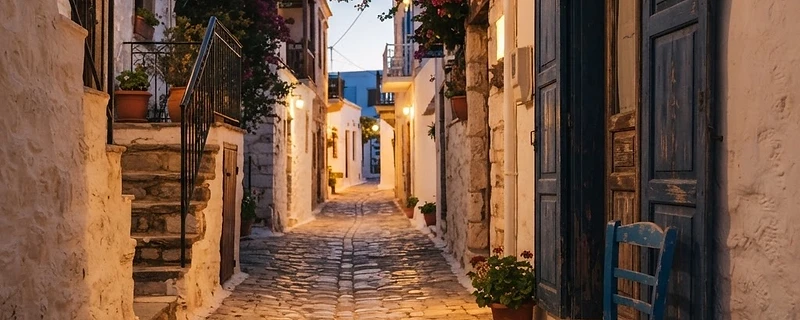
There is a specific, melancholy beauty to an island in its dormant state. When the cruise ships have retreated and the primary resorts shutter their windows against the incoming cool, the land itself seems to exhale. For the traveler who seeks connection rather than spectacle, the off-peak season is not a compromise—it is the only time the island is truly itself. Traveling during the low season, typically between November and March for Mediterranean locales or September and October for the Caribbean, offers an intimate look at the local life that stays behind when the tourists fly home.
In the Greek Cyclades, for example, the manic energy of July evaporates by late October. Places like Naxos or Paros transform from sun-drenched party hubs into quiet, working communities. You will find that the tavernas remaining open are the ones the locals actually frequent. You might sit in a corner at a place like To Elliniko in Naxos, watching the owner chat with a fisherman while you enjoy a steaming bowl of kakavia, a rustic fish soup that tastes of salt, history, and the coming winter. The best time to visit is often just at the tail end of the high season, when the water remains warm enough for a solitary swim, but the narrow streets are navigable without the crush of humanity.
This is the season of the parea—the Greek concept of gathering with friends to talk until the early hours. Without the pressure to turn tables for the next tourist, service slows down, and the carafe of local tsipouro stays on the table longer. When you visit off-peak, you aren't a transaction; you are a guest in a home that happens to be an island.
Practical Strategies for the Off-Peak Wanderer
Transitioning to off-peak travel requires a shift in mindset. You must trade the certainty of every attraction being 'open' for the spontaneity of local discovery. When you visit places like the Azores or the Balearic Islands in the winter, you are not here to tick boxes off a list; you are here to inhabit the landscape. Logistics, however, require more precision during the off-season. Because ferry schedules and regional flight frequencies contract, your planning must be tactical.
- Prioritize Local Hubs: Stay in larger towns that serve as year-round residential centers rather than seasonal resort villages. In Mallorca, Palma stays vibrant all year, while smaller coastal coves like Cala d’Or may effectively shutter. Palma offers the Mercat de l'Olivar, where you can buy local Mahón cheese and sobrassada sausage, feeling the rhythm of the city’s daily life rather than the artifice of a tourist strip.
- Leverage Flexibility: Use flight aggregators like Google Flights to set price alerts for 'flexible' dates. You can often find cheap flights to secondary regional airports by flying into major hubs like Athens or Lisbon. From Lisbon, take the affordable 2.5-hour flight via TAP Air Portugal or SATA Azores Airlines to Ponta Delgada. These regional carriers remain lifelines for the islands year-round, meaning flight reliability is higher than the seasonal charter jets.
- Optimize Your Miles: Use your airline alliances to your advantage. If you have been hoarding points, off-peak travel is the best time to redeem miles for business class upgrades, as award seat availability is significantly higher outside the summer rush. Check the Star Alliance partners for routes into smaller islands, and remember that off-peak fuel surcharges are sometimes lower during these quiet periods.
- Dress for the Variable: Island weather in the shoulder season is temperamental. Pack high-quality, lightweight layers that can handle a sudden Mediterranean mist or a brisk Caribbean breeze. A reliable, packable Gore-Tex shell and a merino wool mid-layer—like those from Icebreaker or Patagonia—will be your best companions. Temperatures in the Balearics in February might hover around 15°C (59°F), which is perfect for hiking the Serra de Tramuntana but too brisk for a light t-shirt.
- Secure Transport: Renting a car is often cheaper in the off-season, but ensure your rental company has an office that remains staffed on weekends. In smaller islands like Menorca or Santorini, many rental agencies consolidate offices, so verify your pickup point a week before arrival.
Finding Stillness in the Slow Season
There is a profound luxury in having a beach entirely to yourself. Walking the length of the sandy stretches in the Outer Hebrides—perhaps at Luskentyre Beach with the dramatic, moody sky overhead—or the quiet coves of Corsica in November offers a sensory clarity that is impossible to replicate in June. The light is different—softer, lower in the sky, and more golden. It is a photographer's dream and a writer's sanctuary. When the infrastructure of mass tourism is stripped away, the topography of the island reasserts itself. You notice the way the wind carves the limestone cliffs, the scent of wild rosemary after a rain, and the distinct sound of local dialects drifting across a village square.
If you are wondering how to maximize these moments, consider booking boutique, family-run guesthouses. These owners are often more present during the quiet months, eager to share local secrets, offer advice on the best hidden hiking trails, or point you toward a local festival that isn't on any digital map.
In Madeira, for instance, a winter visit might see you staying in a quinta—a traditional manor house. During the off-season, the owners might invite you to help harvest the final grapes or taste the poncha made with honey from their own hives. The sense of hospitality is personal, not performative. It is a reminder that travel, at its best, is an act of reciprocity. We bring our curiosity to their doorstep, and in return, they offer us a glimpse into a way of life that values permanence over the fleeting thrill of a vacation package.
When you spend your mornings in a local cafe, you begin to recognize the rhythm of the post-office run, the school drop-off, and the communal gossip. You aren't just observing the island; you are temporarily woven into its fabric. You stop looking for "the best view" and start enjoying the view from where you are sitting, whether that’s a stone wall overlooking the Aegean or a quiet port in the Azores where the only sound is the rhythmic clinking of halyards against masts in the harbor.
This article is general information and not legal, financial, or medical advice. Always check the latest entry requirements, visa regulations, and travel advisories for your destination before booking your tickets. Ensure your travel insurance covers any specific activities you plan to undertake, especially during months where weather-related delays are more likely.
Ready to plan less and travel more? See Trippanna Premium →
This article may contain affiliate links. Trippanna earns a commission on bookings made through partner links, at no extra cost to you. All bookings are the responsibility of the third-party provider.