What to Expect When Flying Premium Economy: The Comfort Upgrade
Discover the elevated experience of premium economy, a sweet spot between economy and business class, offering enhanced comfort and service for your journey.
The whisper of the cabin doors closing, the gentle hum of the engines, the promise of destinations unfolding – air travel, at its best, is a prelude to adventure. For many, the desire for a more comfortable journey beyond the standard economy cabin, yet without the significant investment of business or first class, leads them to explore the increasingly popular realm of premium economy. It’s a space that offers a thoughtful balance, a step up in comfort and service that can transform a long-haul flight from a endurance test into a genuinely pleasant experience.
But what exactly can you expect when you book a premium economy ticket? Let’s delve into the nuances that define this coveted middle ground.
The Seat: Your Personal Sanctuary at 35,000 Feet
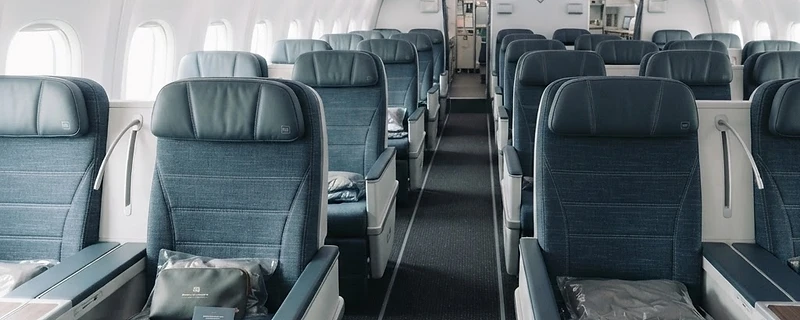
This is, perhaps, the most tangible benefit of premium economy. While the exact dimensions and features can vary by airline, the core promise remains consistent: more space. Typically, you’ll find seats that offer a wider pitch (the distance between rows) than economy, usually ranging from 36 to 40 inches, compared to the standard 30-32 inches. This extra legroom is transformative, allowing you to stretch out, cross your legs comfortably, and even doze off without your knees pressing against the seat in front. The seats themselves are often wider, too, providing a more generous personal space. Many premium economy seats also feature an increased recline, usually coupled with a dedicated footrest or a more adjustable leg rest, allowing you to truly settle in.
Airlines like Singapore Airlines, known for its stellar service, offer premium economy seats that feel more like a recliner in a private lounge, complete with a large personal screen and ample storage. Similarly, Virgin Atlantic's premium economy product, often called ‘Premium’, provides seats with a generous pitch and width, enhanced dining, and priority services. Even airlines that have only recently introduced premium economy, such as Cathay Pacific on certain routes, are focusing on creating a distinct product with noticeably more space and better amenities. When planning your flight, it’s worth checking seat maps on sites like SeatGuru or directly on the airline’s website to compare the specific offerings. For instance, some premium economy seats might offer a 2-3-2 configuration in a wide-body aircraft, while others might opt for a more intimate 2-2-2 or even a sophisticated 2-3-2 where the middle seat is often designed to be less intrusive. This enhanced seating is the foundation of the premium economy promise, turning hours of flight time into an opportunity for rest and relaxation.
Service and Amenities: A Glimpse of Business Class
Beyond the seat, the premium economy experience extends to the service and amenities provided. While you won’t find the lie-flat beds or the à la carte dining of true business class, the difference from economy is noticeable and appreciated. Expect a dedicated check-in line at many airports, often shared with business class passengers, which can significantly reduce waiting times. Upon boarding, you’ll typically be greeted with a welcome drink, often a choice of juice, sparkling wine, or water – a small but welcoming gesture. The amenity kits are usually a step up from economy, featuring better quality skincare products, eye masks, earplugs, and perhaps a pair of comfortable socks or slippers. These thoughtful touches contribute to a sense of being cared for throughout the journey.
The in-flight dining experience in premium economy is also a significant upgrade. While not as extensive as in premium cabins, meals are generally served on proper tableware – ceramic plates, metal cutlery, and a linen napkin – rather than plastic trays. Menus are often more varied, offering a choice of at least two main courses, and sometimes even reflecting local culinary specialties depending on the route. For example, flying with Lufthansa from Frankfurt to Singapore, you might find a thoughtfully curated menu featuring regional German dishes alongside international options. The beverage service is also more attentive, with a wider selection of wines, spirits, and non-alcoholic drinks readily available. The cabin crew are also typically more accessible, with a slightly lower passenger-to-crew ratio than in economy, ensuring your needs are met promptly. These elements combine to create a service standard that feels more personalized and attentive.
Entertainment and Connectivity: Staying Engaged and Connected
Most premium economy cabins feature larger, higher-resolution in-flight entertainment (IFE) screens compared to standard economy. These screens, often measuring 10-13 inches, provide a more immersive viewing experience for the extensive library of movies, TV shows, music, and games available. Noise-cancelling headphones are usually provided, further enhancing your ability to enjoy the entertainment or simply find a quiet space to rest. While Wi-Fi is increasingly common across all cabin classes, premium economy passengers sometimes receive a complimentary Wi-Fi package or a discount, allowing you to stay connected with loved ones or catch up on work. However, it’s always wise to check the airline’s specific policy on connectivity before your flight, as offerings can vary widely. Some airlines, like Qantas, are integrating advanced IFE systems with personal device connectivity, allowing you to stream content to your own tablet or smartphone via the aircraft’s network. This focus on entertainment and connectivity ensures that your time onboard is as comfortable and engaging as possible, whether you choose to be entertained or to work.
Who is Premium Economy For?
Premium economy strikes a chord with a diverse group of travelers. It’s ideal for the solo traveler seeking a bit more personal space and comfort on a long journey, the business traveler who wants to arrive at their destination feeling more refreshed than they would in economy, or couples and families looking to slightly elevate their travel experience without breaking the bank on business class fares. For those who find economy just a bit too cramped for an overnight flight, but business class prohibitively expensive, premium economy offers that perfect sweet spot. It’s a considered choice for travelers who value comfort and are willing to invest a little more for a significantly enhanced journey. For example, a round-trip flight from New York to London might cost between $1,500 to $2,500 in premium economy, a substantial saving compared to the $4,000+ often seen for business class, yet offering a world of difference from economy fares typically hovering around $800-$1,200.
When searching for flights, whether you're looking for cheap flights to Europe or exploring options for a trip to Asia, keeping an eye on premium economy fares can reveal excellent value. It’s a way to add a touch of luxury and significant comfort to your travels, making the journey itself a more enjoyable part of your overall trip.
This article is general information and not legal, financial, or medical advice.
Ready to plan less and travel more? See Trippanna Premium →
This article may contain affiliate links. Trippanna earns a commission on bookings made through partner links, at no extra cost to you. All bookings are the responsibility of the third-party provider.