The Long Shadow: Why the Off-Season is When Islands Truly Breathe
When the crowds retreat and the ferries run on a quiet rhythm, islands reveal their authentic, unhurried souls to those willing to listen.
The Art of the Empty Horizon
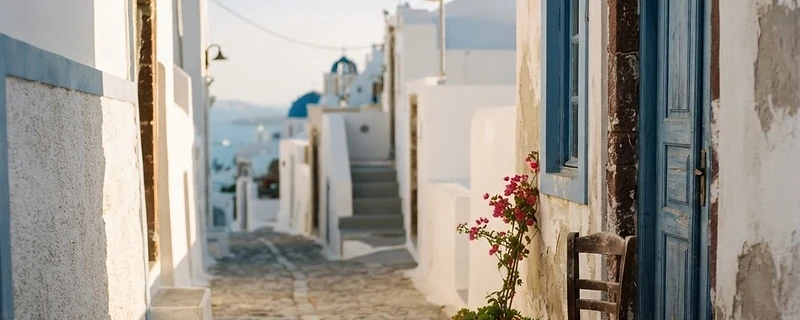
There is a peculiar, hollow sound to an island in mid-July: the relentless hum of high-season motors, the frantic clicking of camera shutters, and the orchestrated chaos of overpriced beach clubs. But visit that same island in November, and the silence is transformative. In the Greek Cyclades, the whitewashed walls of Folegandros no longer need to hide behind the relentless glare of tourists. Instead, they catch the low, honeyed light of autumn, casting long, dramatic shadows against the stone paths of the Chora.
Off-peak travel is not merely a logistical choice; it is an act of reclamation. When you visit places like Milos or the remote corners of Procida in Italy during the shoulder season, you are not a consumer of a landscape, but a guest of a living, breathing community. The shopkeepers have time to pour a second glass of Agiorgitiko, and the local bakeries are no longer exhausted, producing crusty sourdough loaves with the patience that only a quiet morning can provide.
The Rhythms of Residual Warmth
Transitioning to the off-season requires a shift in perspective. You must trade the certainty of scorching heat for the unpredictable, poetic melancholy of cooler air and empty bays.
Consider these essential experiences when embracing the off-season:
- The solitude of coastal walks where the only sound is the rhythmic grinding of pebbles against the shoreline.
- Access to historic sites and museums where you can stand alone before a sculpture or a vista, undisturbed by guided tours.
- The opportunity to witness genuine island life, as locals pivot back to their own traditions, festivals, and harvests.
- Dinner reservations that are never required, allowing you to follow your hunger rather than a rigid calendar.
In late October in the Azores, the hydrangeas may be fading into muted blues and browns, but the thermal pools of Furnas feel more profound when the mist clings to the surrounding volcanic crater. There is a sense of intimacy here that summer simply cannot facilitate. You might spend an hour watching a local fisherman mend his nets in the port of Horta, undisturbed by the urgency of the tourist gaze. This is the authentic island pulse: slow, resilient, and indifferent to the demands of the global travel industry.
A Return to Stillness
Ultimately, off-peak travel is about the luxury of space. To stand on a beach in the Outer Hebrides in February, wrapped in thick wool against the Atlantic spray, is to feel the sheer, overwhelming scale of the ocean. It is a humbling, grounding experience that demands nothing of you. You do not go for the tan; you go for the clarity.
When we strip away the artifice of the high season, we find the core of the island—the weathered stone, the scent of wild rosemary, the salty tang of the air, and the quiet dignity of a place that remains beautiful even when no one is watching. By choosing the margins of the calendar, you aren't just visiting a destination; you are allowing yourself to inhabit it, fully and without distraction.
This article may contain affiliate links. Trippanna earns a commission on bookings made through partner links, at no extra cost to you. All bookings are the responsibility of the third-party provider.